I-95 through Bridgeport, Stratford and Fairfield is one of the busiest stretches of highway in Connecticut. Route 8 and Route 25 add their own fast, tight merges. When your car starts losing power or a tire goes flat on one of these roads, the most important job isn't fixing the car — it's getting you to a safe spot.
We want to be upfront: Joey Towing and Rental does not stop on highway shoulders. Busy shoulders are dangerous for everyone, and highway calls are handled differently. Here's what to do, step by step, and where we fit in.
Step 1: Get as far right as you safely can
If the car still moves, signal and work your way to the right shoulder, or better yet, take the next exit. A flat tire or a warning light is almost always worth a slow drive to the exit ramp and onto a local street or parking lot. Driving a short distance on a flat at low speed may damage the tire or wheel, but your safety comes first.
Step 2: Make yourself visible
Turn on your hazard lights right away. If it's dark or visibility is poor, keep your interior dome light on so passing drivers can see the car is occupied. If you have reflective triangles and can place them without walking into traffic, do it — otherwise skip it.
Step 3: Decide whether to stay in the car or get out
On a highway shoulder, the usual advice is to stay in the car with your seat belt on, because passing traffic is the biggest danger. If the car is in a travel lane, smoking, or you feel unsafe inside it, get out on the side away from traffic and move well behind a guardrail if there is one. Never stand between your car and traffic.
Step 4: Call for help the right way
- If you're in danger, in a travel lane, or there's been a crash: call 911.
- If you're safe on the shoulder: call 911 or the non-emergency police line and tell them where you are. Connecticut also has state highway service patrols on some major highways that help stranded drivers.
- Give your location clearly: highway, direction (northbound/southbound), the last exit you passed, and any mile marker you can see.
Step 5: Once you're off the highway, call us
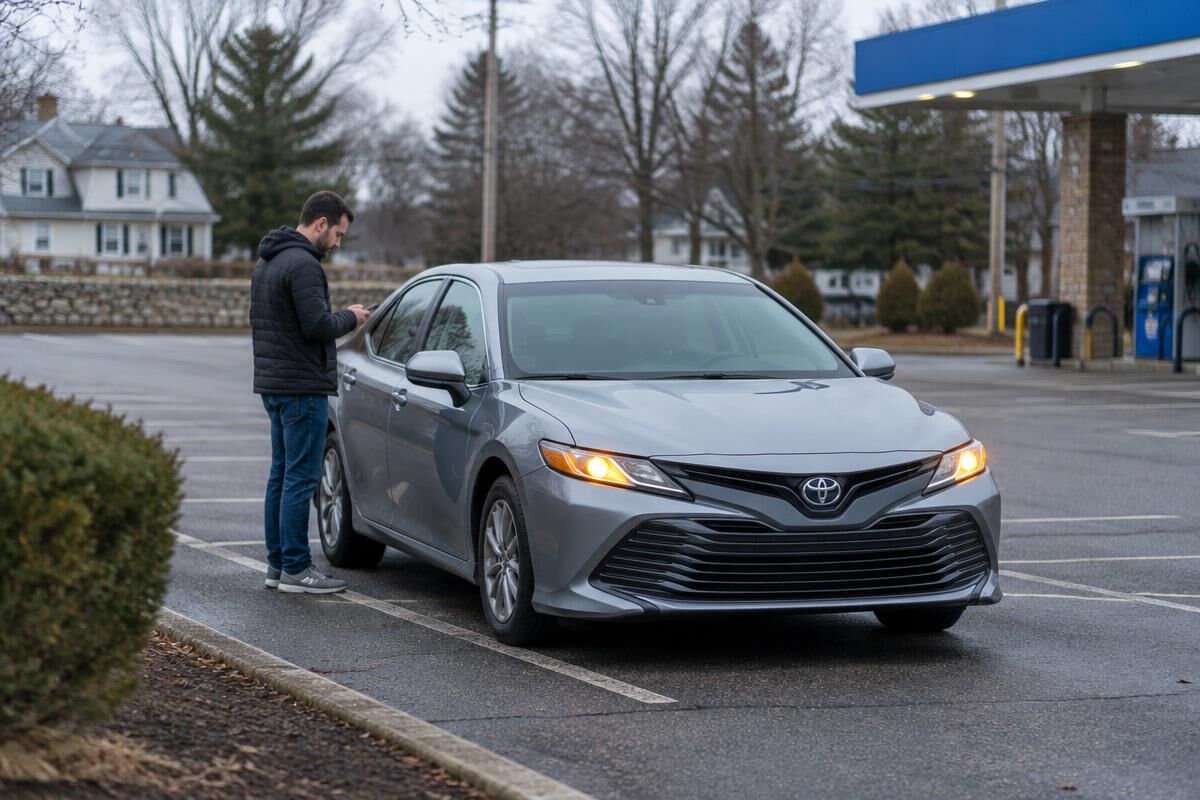
Once you've reached an exit, a local street, a gas station or a parking lot, or once the car has been moved off the highway, that's where we come in. We can:
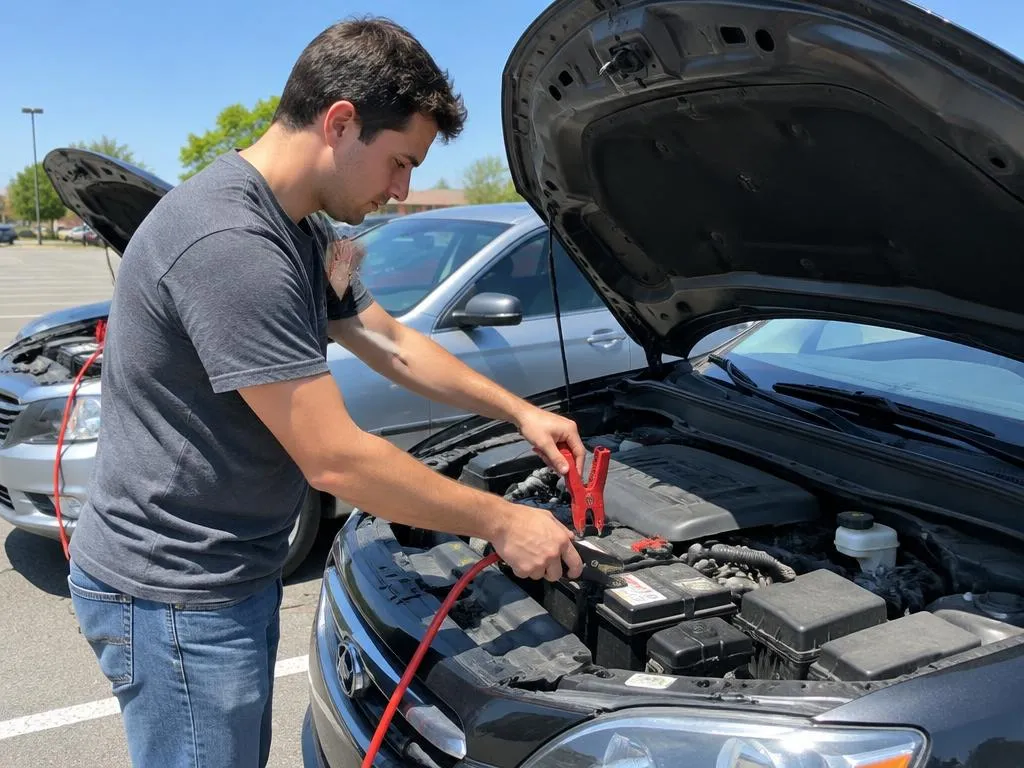
- jump-start a dead battery,
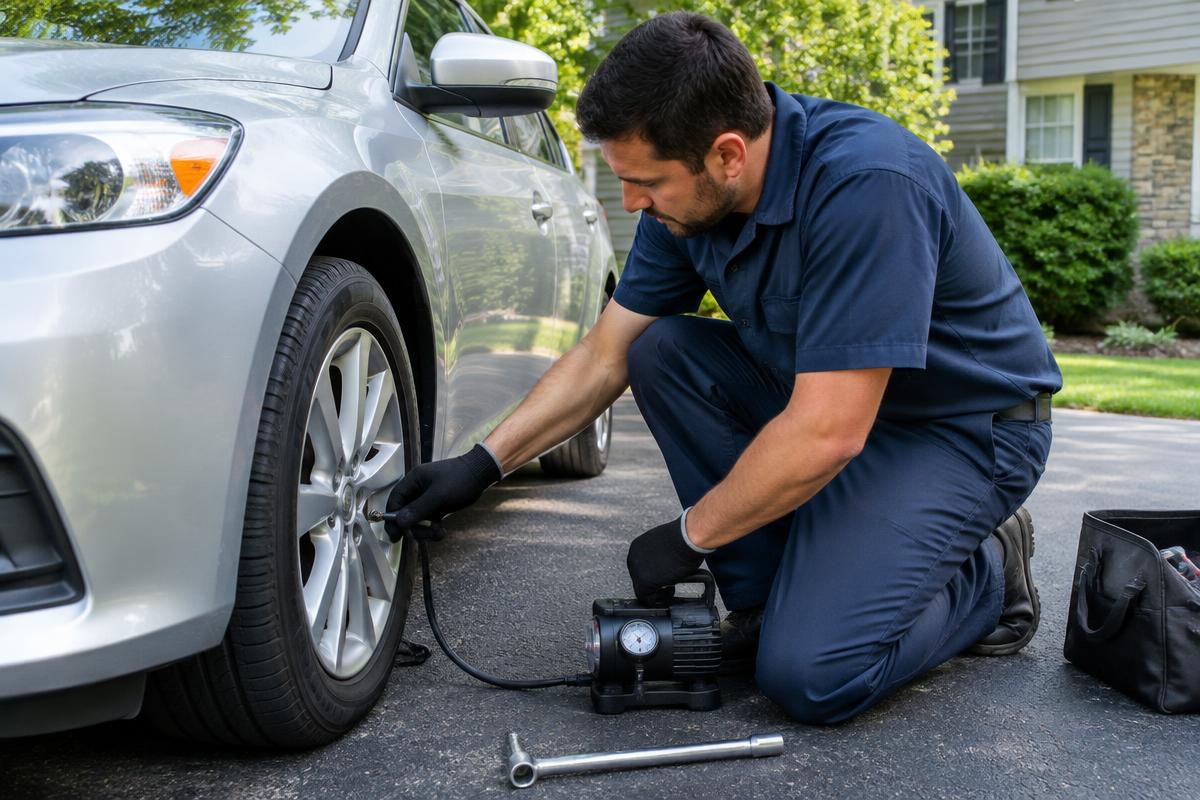
- change a flat with your spare,
- bring fuel if you ran out,
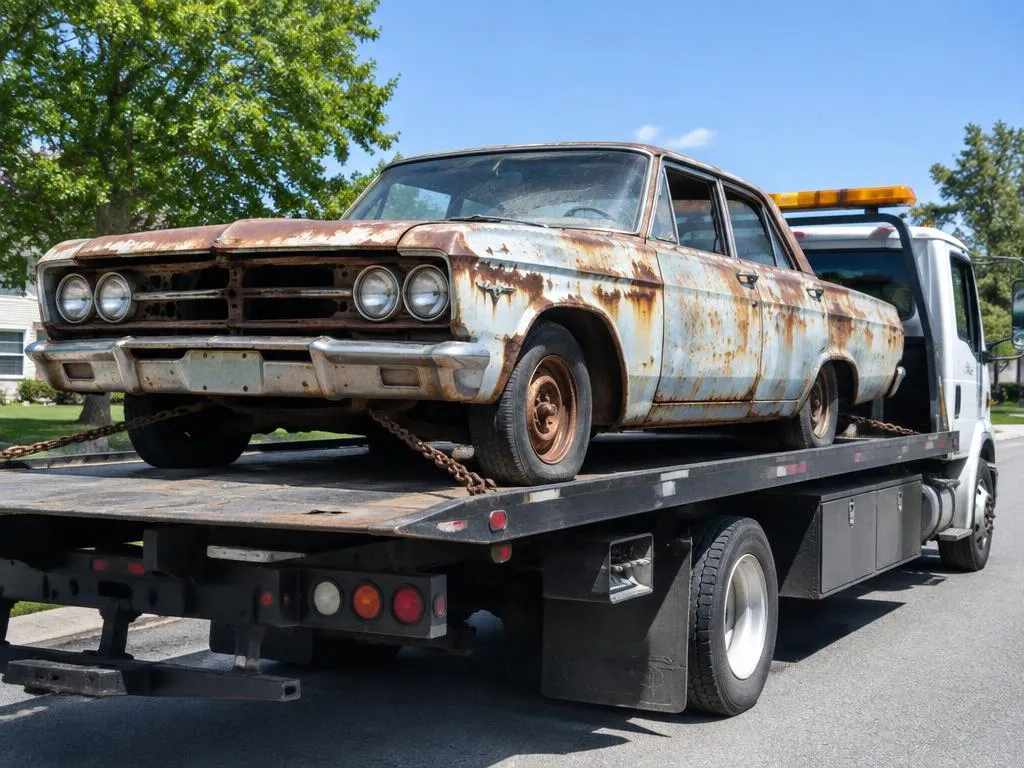
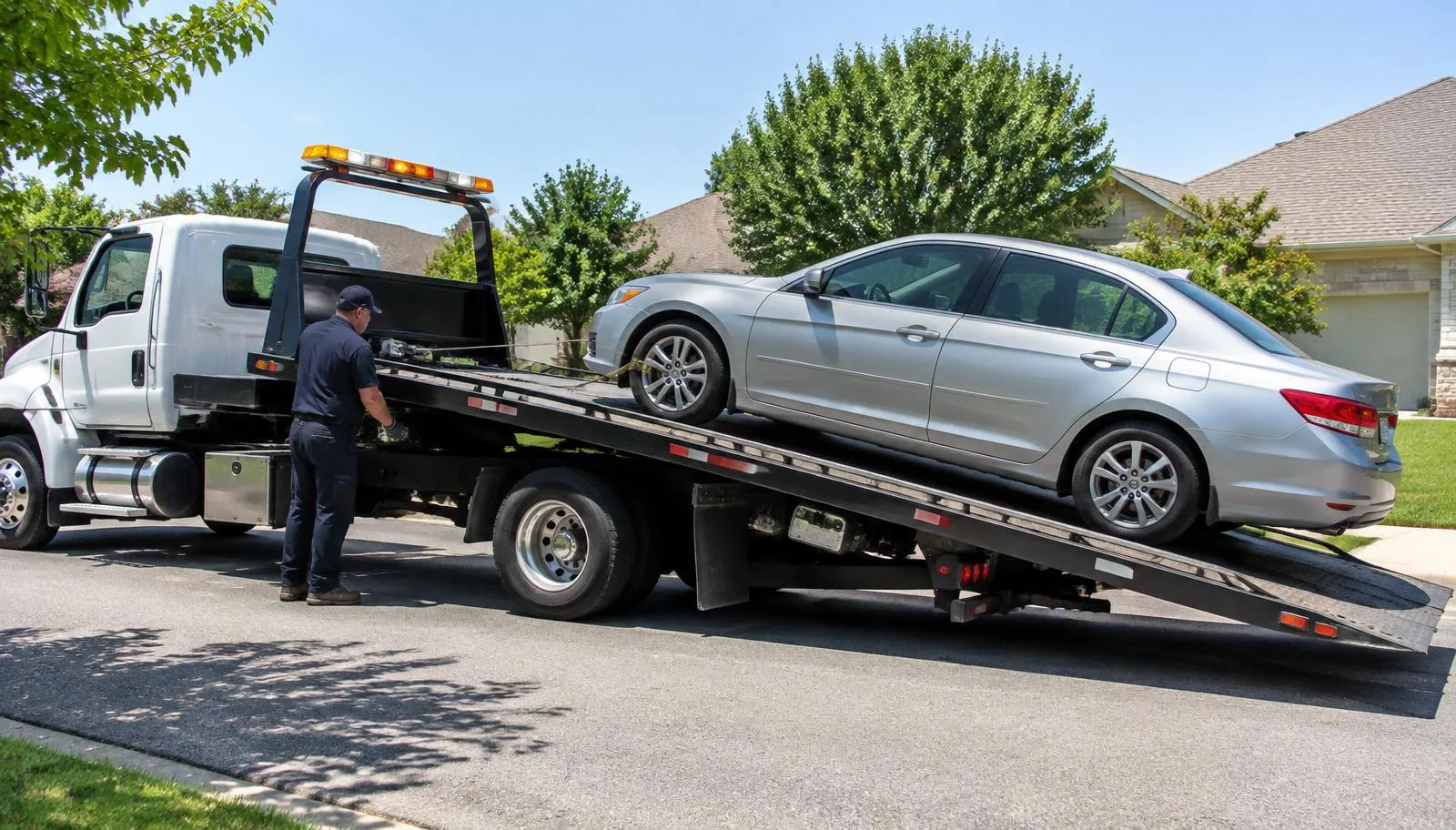
- tow the car to your home, your mechanic or a shop you trust,
- or have a mobile mechanic look at it where it sits.
Remember the move-over rule
Connecticut law requires drivers to slow down and move over for emergency vehicles, tow trucks and road crews stopped on the side of the road. When you see flashing lights on a shoulder, give them room. One day it might be you on that shoulder.
A quick car-kit for highway drivers
- Phone charger cable that works in your car
- Flashlight and a reflective vest
- Warm layers and gloves in winter
- Water and a snack
- Your insurance card and roadside numbers saved in your phone
Most breakdowns are stressful but not dangerous when you put safety first. Get off the highway or let the right people help you there, and then call Joey Towing and Rental for the rest — we'll tell you right away how fast we can get to you.